FYS "What I Learned..."
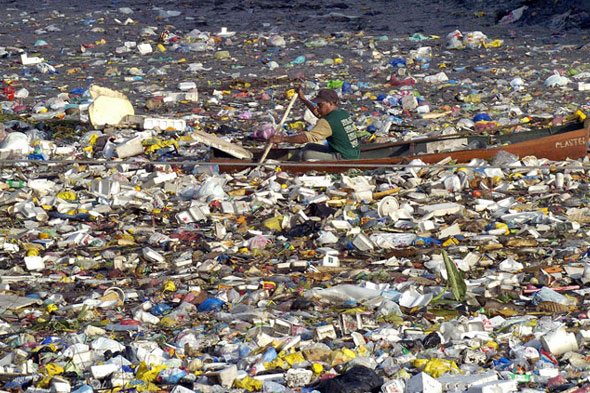
I learned how polluted the oceans are. I hadn't realized how bad it was. I thought it was a little here or a little there, but it's pretty much everywhere. And not just big pieces, but little scraps that are eaten by fish and whales, like a "plastic chowder."
Although we will never stop producing trash, we can reduce the amount of trash we produce by reusing old items, recycling materials, and attempting to move away from non-reuseable/recyclable materials such as the plastic bag from groceries.
Our impact on the planet is tremendous. We take many things for granted, especially being a developed country. We should focus more on the three R's. Generations to come will thank us.
I am more observant as far as how much trash I'm producing and what to do with it. I've learned more about the impact that seemingly small things can have on the environment. I definitely think more about how my actions can affect the environment.
Not as many things can go in the recycling bin as you think. It can actually mess up what would have been a good batch of recycled materials. You need to be more conscious of what you put where. Food wrappers can't always be recycled or paper plates with food spoilage or anything like that.
Before the class, I did not realize that human consumption of products led to such horrid amounts of waste. I am very glad I got into this FYS because it opened up a new cause for me. This class showed me really how important recycling and repurposing things are for this environment.
SU Community Garden SU Recycling
our drugs Upcoming Take-Back Day — April 27, 2013
Plastic Ocean 1 Plastic Ocean 2
Bangladesh trash collection waste picker 1 waste picker 2 trash scavenging crime
EPA on trash facts 1 facts 2 facts 3
Search for
animals eat plastic
compost
composting toilet
trash scavengers